

Somewhere between finalizing the seating chart and picking up the dress, a lot of couples ask themselves the same question. Do we actually need a day-of wedding planner, or can family and friends just handle things on the day? It is a fair question, since hiring more help feels like one more expense on top of everything else. But the answer usually comes down to a simple trade-off: either someone whose job it is to manage the timeline handles the small fires that come up, or someone you love does, usually while also trying to enjoy the day themselves.
This guide looks at what a day-of wedding planner actually does, the specific problems they solve, and how to tell whether having one included in your venue package is worth paying attention to when you compare options.
What a Day-of Wedding Planner Actually Does
The title is a little misleading, since the work does not start the morning of the wedding. Most day-of planners get involved a few weeks before the event, even though their main job is executing everything on the day itself.
The Weeks Before the Wedding
In the lead-up to the wedding, a day-of planner typically reviews the timeline you have already built, confirms details with your vendors, and walks through the physical layout of the ceremony and reception space with you. This is also usually when they start tracking the weather forecast if your plans include an outdoor ceremony, so a backup decision does not get made at the last minute under pressure.
On the Wedding Day Itself
On the actual day, the planner becomes the point of contact for nearly everything. Vendors call them instead of you, decor gets set up under their direction instead of a relative trying to remember your Pinterest board, and the timeline gets managed in real time so the ceremony, dinner, toasts, and dancing all happen roughly when they are supposed to. If something goes sideways, a chair delivery running late, a groomsman missing at photo time, rain rolling in during cocktail hour, the planner is the one solving it, not you.
Wedding Planner Benefits Couples Often Underestimate
Some benefits are obvious, like having one less thing to worry about. Others are easy to overlook until you are actually in the middle of a wedding day without that support.
Fewer Decisions Falling on You or Your Family
Without a planner, small decisions tend to land on whoever happens to be nearby, often the couple, a parent, or the maid of honor. Where do the extra flowers go? Is the DJ set up yet? Can dinner start ten minutes early? These are not hard questions, but answering dozens of them throughout the day pulls people out of the moment. A planner absorbs that steady stream of small decisions so your family can actually be guests at your wedding instead of unofficial staff. It is a small shift on paper, but it changes how the whole day feels for the people closest to you.
Vendor Coordination Without the Middleman Being You
Most weddings involve five or more vendors: catering, photography, music, florals, and often more. Each one needs to know where to go, when to arrive, and who to talk to when something changes. A day-of planner becomes that single point of contact, so vendors are not texting the couple directly in the middle of getting ready.
A Backup Plan Someone Else Is Watching
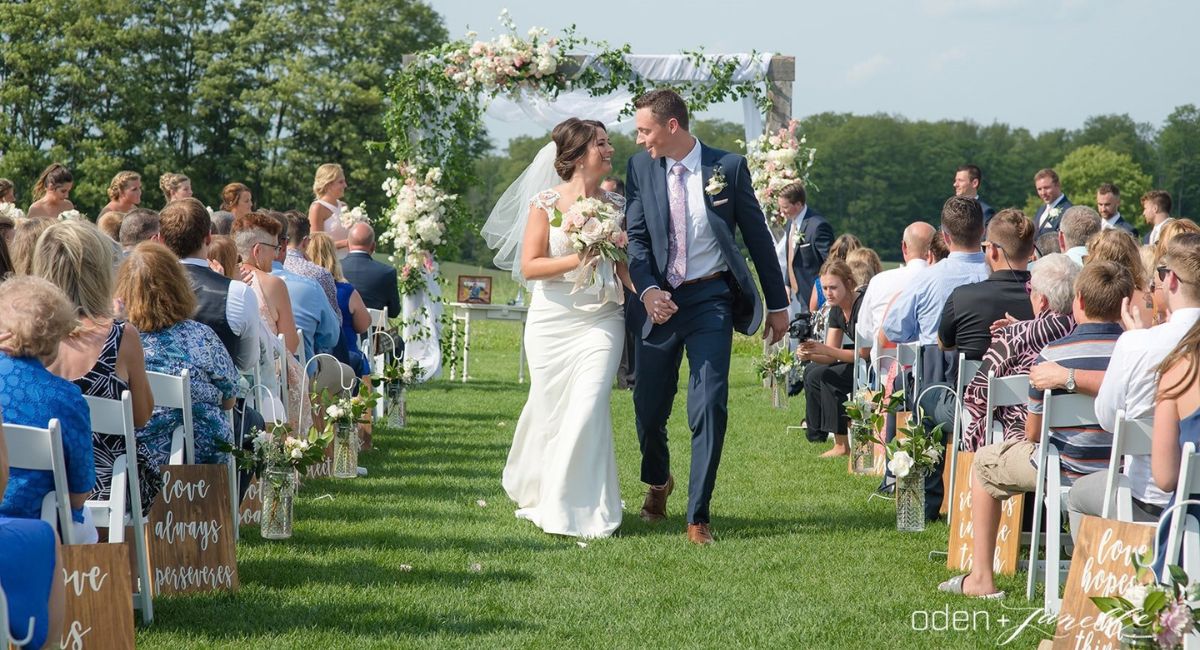
Outdoor ceremonies always carry some weather risk, and deciding whether to move things indoors is stressful when it falls entirely on the couple. At venues like Sonshine Barn, the planner tracks the forecast during the week leading up to the wedding and talks through the backup plan with the bride directly, so the decision gets made calmly and early rather than in a panic an hour before the ceremony.
Day-of Planner vs Full-Service Planner
These two roles get confused often, and knowing the difference helps you figure out what you actually need.
| Role | When They Get Involved | What They Handle |
| Day-of wedding planner | A few weeks before the wedding | Timeline management, vendor coordination, and execution on the wedding day |
| Full-service wedding planner | Months or a year in advance | Vendor selection, design, budgeting, and overall wedding planning from the start |
A day-of planner is not there to help you choose a florist or design your invitations. Their role starts once most of the planning decisions are already made, and their focus is making sure everything you already planned actually happens the way you pictured it.
How This Fits Into Luxury Destination Wedding Packages in Gaylord
Many luxury destination wedding packages in Gaylord include a day-of planner as a standard part of the weekend rather than something couples need to hire separately. This matters more at a multi-day venue, since a longer weekend has more moving pieces, decorating on Friday, a rehearsal dinner, the wedding itself, and often an overnight stay, all of which benefit from one person keeping track of the schedule. At Sonshine Barn, the planner and an assistant are part of the package, which removes one more vendor couples would otherwise need to research, interview, and pay for on their own. For couples flying in families from out of town, that kind of built-in support can matter just as much as the venue itself, since it reduces the number of unknowns to manage from a distance.
What to Ask a Venue About Their Day-of Planner
Not every included planner offers the same level of support, so a few direct questions can clarify what you are actually getting:
- How many weeks before the wedding do we start working together
- Do you handle vendor communication directly, or do we stay the point of contact
- Are you managing the weather decision for an outdoor ceremony, and how far in advance
- Will you or an assistant be present for the full day, including setup and teardown
- What happens if something unexpected comes up during the reception
Signs a Day-of Planner Would Make Your Wedding Easier
A day-of planner tends to help the most in a few common situations:
- You are hosting a larger guest list with several vendors to coordinate
- Your wedding includes an outdoor ceremony with a weather backup plan
- You are planning a multi-day wedding weekend rather than a single event
- Family members would otherwise be pulled into logistics instead of enjoying the day
- You want a clear point of contact for vendors so questions are not coming to you directly